Skip to content












A few years ago, ultrasound was largely confined to dedicated imaging rooms and hospital departments. Today, it’s becoming a common tool in family practices, veterinary clinics, urgent care settings, and rural healthcare. That shift has a name: point-of-care ultrasound (POCUS).
POCUS refers to a clinician performing a focused ultrasound examination at the point of care to help answer a specific clinical question during the patient encounter, rather than referring the patient for a comprehensive imaging study. Here’s what’s changed—and what it means if you run one of those clinics.
Three things changed at once
No single breakthrough brought ultrasound into everyday clinics. Instead, three important shifts happened at the same time.
Ultrasound systems became smaller, more affordable, and easier to use, making them practical for far more practices. At the same time, clinicians increasingly wanted answers during the patient visit instead of waiting for referrals or imaging appointments. Training also became more widely available, with bodies such as the Canadian Point of Care Ultrasound Society setting national certification standards, giving more healthcare professionals the confidence to incorporate ultrasound into everyday practice.
Any one of these changes would have encouraged adoption over time. Together, they’re why ultrasound is now appearing in clinics that wouldn’t have considered owning a system just a few years ago.
What it looks like day to day
In practice, POCUS can change how quickly clinical decisions are made. A focused scan at the point of care can provide information in minutes that might otherwise require a referral and additional waiting. In many situations, that means more informed decision-making during the visit and, where appropriate, fewer referrals and greater convenience for the patient.
For a small or rural clinic, that can make a meaningful difference. The scan isn’t intended to replace a comprehensive diagnostic ultrasound examination. Instead, it’s a focused assessment that helps guide the next step in patient care.
What it asks of your equipment—and your supplier
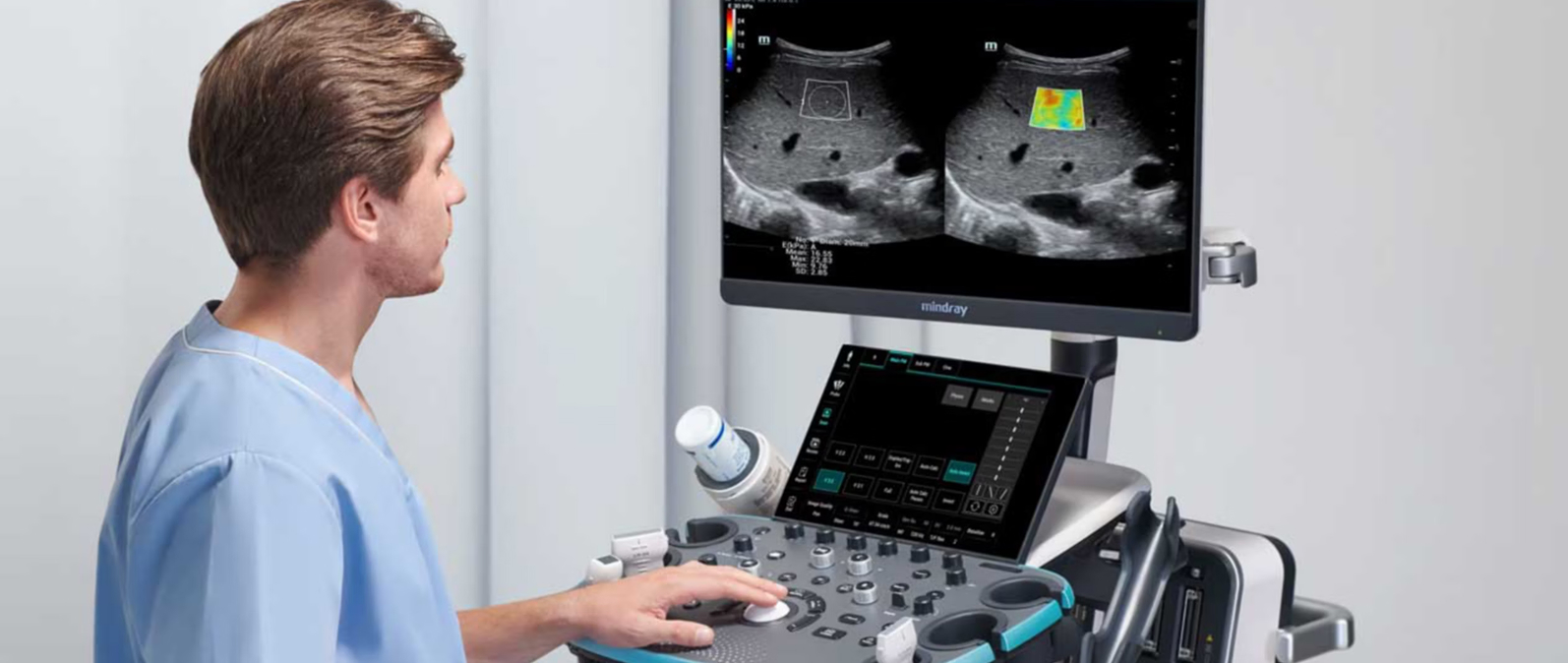
As more scanning moves to the point of care, the demands on an ultrasound system change. It needs to be intuitive for clinicians who aren’t full-time sonographers, quick to clean between patients, and dependable enough to use with confidence. Depending on the clinical application, that may mean a handheld system, a portable ultrasound, or a compact cart-based unit.
It also raises the bar for your supplier. A POCUS system only becomes part of everyday clinical practice when users receive the right training and have access to responsive technical support. A system waiting on repairs or lacking applications support doesn’t deliver its full value. This is where the difference between suppliers becomes apparent—and it’s often something that’s easy to overlook when comparing equipment.
Where point-of-care ultrasound goes next
Point-of-care ultrasound isn’t a passing trend. As systems continue to improve and training becomes more accessible, more clinicians will incorporate ultrasound into everyday patient care. The practices that benefit most will be those that pair the right ultrasound system with quality training and a supplier committed to long-term support.
Northern Diagnostics is a family-owned, Authorized Mindray Partner that helps clinics across Canada choose ultrasound systems that fit their workflow and clinical needs. We provide product guidance, training, technical support, and ongoing service to help our customers get the most from their investment.
If you’re considering point-of-care ultrasound for your clinic, speak with our team.