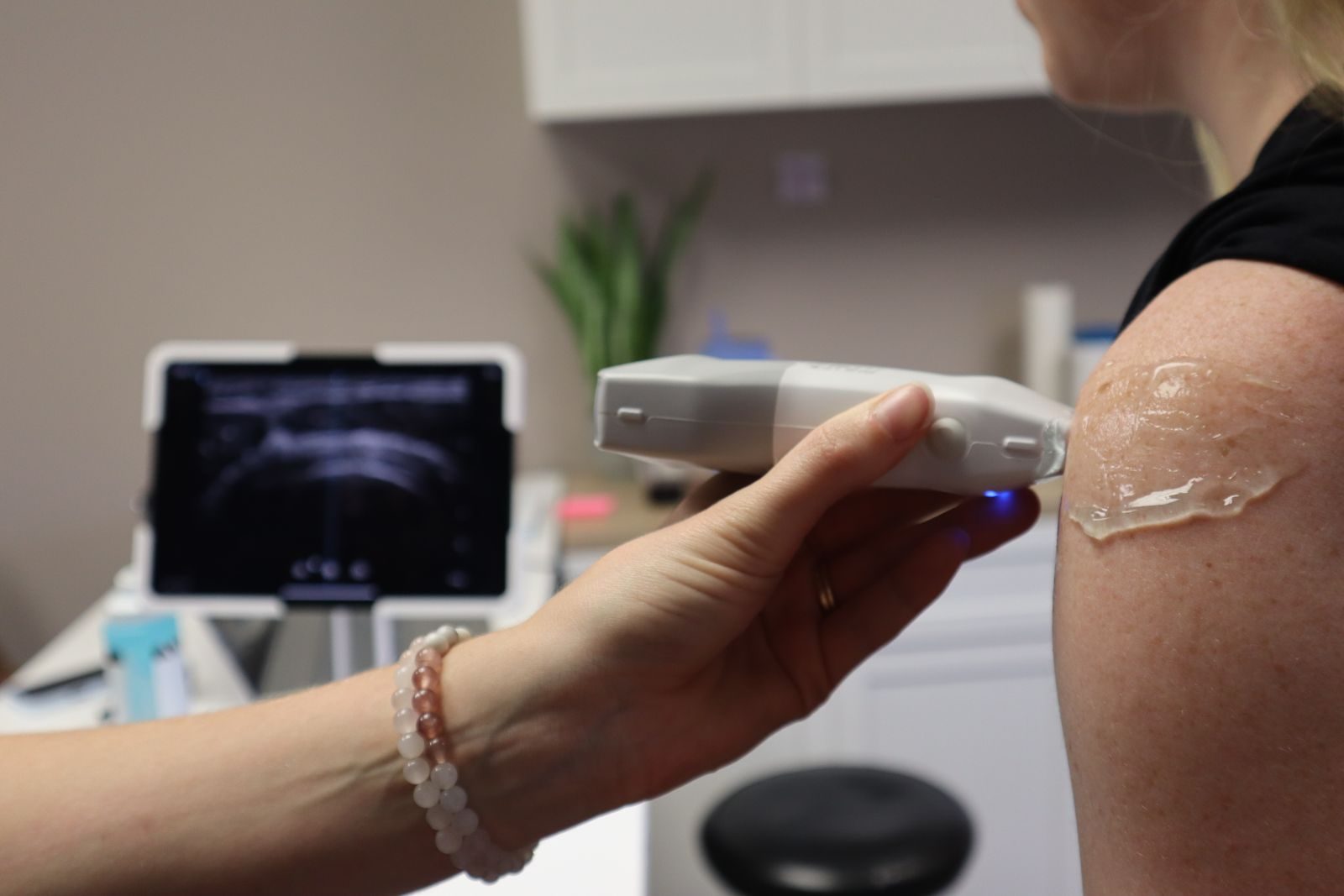











A handheld ultrasound is a probe that connects to a tablet or phone. It exists to answer one kind of question quickly, at the patient, without booking a room or wheeling a system down the hall. That makes it genuinely useful, and it also makes it easy to buy for the wrong reasons. Clinics that treat a handheld as a small cart tend to be frustrated within a month. Clinics that treat it as a fast first look tend to still be using it years later.
Here is what a handheld ultrasound does well, where it stops, and what to settle before you buy one.
What you are actually buying
Strip the marketing away and a handheld is three parts. There is the probe, which holds the transducer and most of the processing. There is a screen, usually a tablet or phone you already own, or one sold alongside the probe. And there is the software that connects them, stores the images, and moves them somewhere useful.
That third part is the one clinics underestimate. The probe is what you hold at a trade show. The software is what you live with. It decides how images reach the patient record, who can open them, and what happens the day the tablet is in someone else’s pocket.
Where a handheld earns its place
Three patterns come up again and again with clinics across Canada.
- A quick look during the appointment. The patient is already in front of you and one focused question needs an answer before you decide what happens next. Walking the probe over is faster than booking them back in.
- Wide catchments and mobile work. Rural practices, satellite sites and home visits all share the same problem, which is that the imaging is in one building and the patient is not. A handheld travels in a bag.
- Field and on-farm veterinary calls. A barn, a stall or the back of a truck is not a place to take a cart. Mixed and equine vets are often the clearest case for a handheld of anyone we talk to.
What these have in common is not the exam. It is the distance between the clinician and the machine. A handheld closes that distance, and that is the whole value.
Where a handheld stops
The physics has not moved. A smaller device with a smaller battery and less room inside gives something up, and it is worth knowing what before the demo rather than after the invoice.
- Deep or difficult exams are where the gap shows. A cart or a good portable still does more.
- A phone screen is a poor place to do measurement-heavy work. Anything you will be reporting on properly wants a real display.
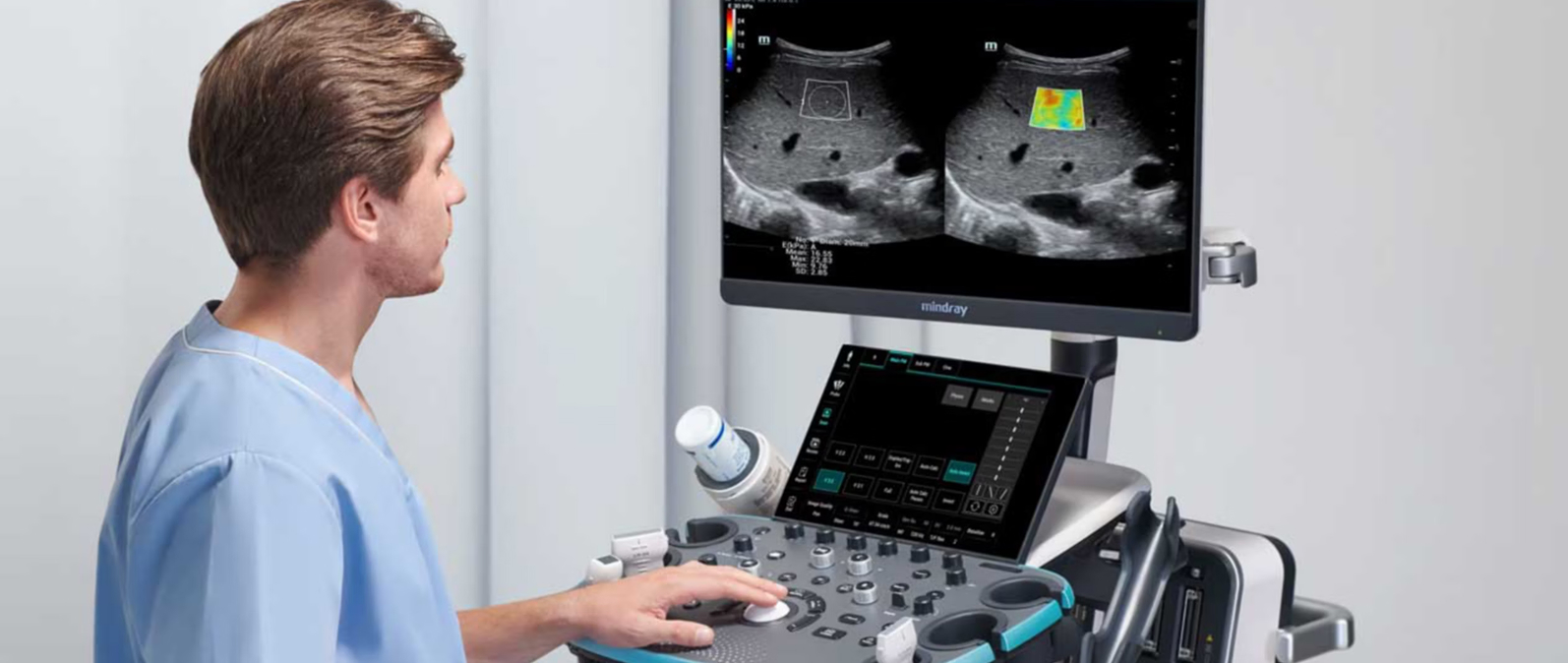
- The range of exams is narrower and the probe choice is smaller, so a handheld covers fewer of the things a clinic does in a week.
- Battery life and heat both bite on long back-to-back sessions in a way they do not on a plugged-in system.
- Getting images into the patient record takes more setting up than most people expect. Ask about it early.
Most clinics run one alongside a bigger system, not instead of it
The clinics that get the most out of a handheld almost never bought it to replace anything. The handheld goes where the patient is and answers the fast question. The cart or portable does the full study, with the screen, the probes and the reporting that a proper exam needs.
If what you are actually weighing is a cart against a portable, that is a different decision with different trade-offs, and we wrote about it separately in portable vs cart-based ultrasound.
Five questions to settle before you buy one
A handheld is a small purchase next to a cart, which is exactly why it gets bought on impulse and then sits in a drawer. These five questions sort out most of it.
- Which exams, specifically? Name them. If the honest list is short, that is fine, but it should be a real list rather than a general sense that ultrasound would be handy.
- Whose device does it run on? A personal phone is convenient right up until that person is off, or leaves.
- How do images get into the patient record? If the answer involves emailing screenshots to yourself, sort it out before you buy.
- Who is scanning, and what training comes with it? A handheld puts imaging in the hands of people who may not have trained on it. That is an opportunity or a risk depending entirely on the training.
- What happens when it fails? A handheld is small enough to be treated as disposable and expensive enough that it is not. Ask what support actually looks like.
The part the spec sheet will not tell you
Handhelds from the serious manufacturers are all capable of doing the job they are built for. What decides how the purchase works out over the years is the support behind it, which is how fast someone answers when it breaks, whether parts are on hand, and how quickly you are scanning again.
Northern Diagnostics is a family-run, authorized Mindray partner with over 40 years of combined ultrasound experience and hundreds of systems installed across Canada and the US. We will tell you honestly when a handheld is the right call, and when it is the wrong one.
Common questions
Can a handheld ultrasound replace a cart or portable system?
For most clinics, no. It works best as a second device for fast, focused answers at the point of care. Full diagnostic exams still belong on a system with a proper screen and a full range of probes.
Is a handheld ultrasound worth it for a veterinary practice?
For mixed and equine vets working out of a truck or a barn, it is often the single most useful piece of imaging they own. Small-animal clinics that scan in one room usually get more out of a portable or a compact cart.
What do you need beyond the probe itself?
A compatible tablet or phone, a way to get images into the patient record, training for whoever will be scanning, and a support arrangement for when something goes wrong. The probe is rarely the whole cost.
If you would like a straight answer on whether a handheld fits how your clinic works, book a consultation with our team.