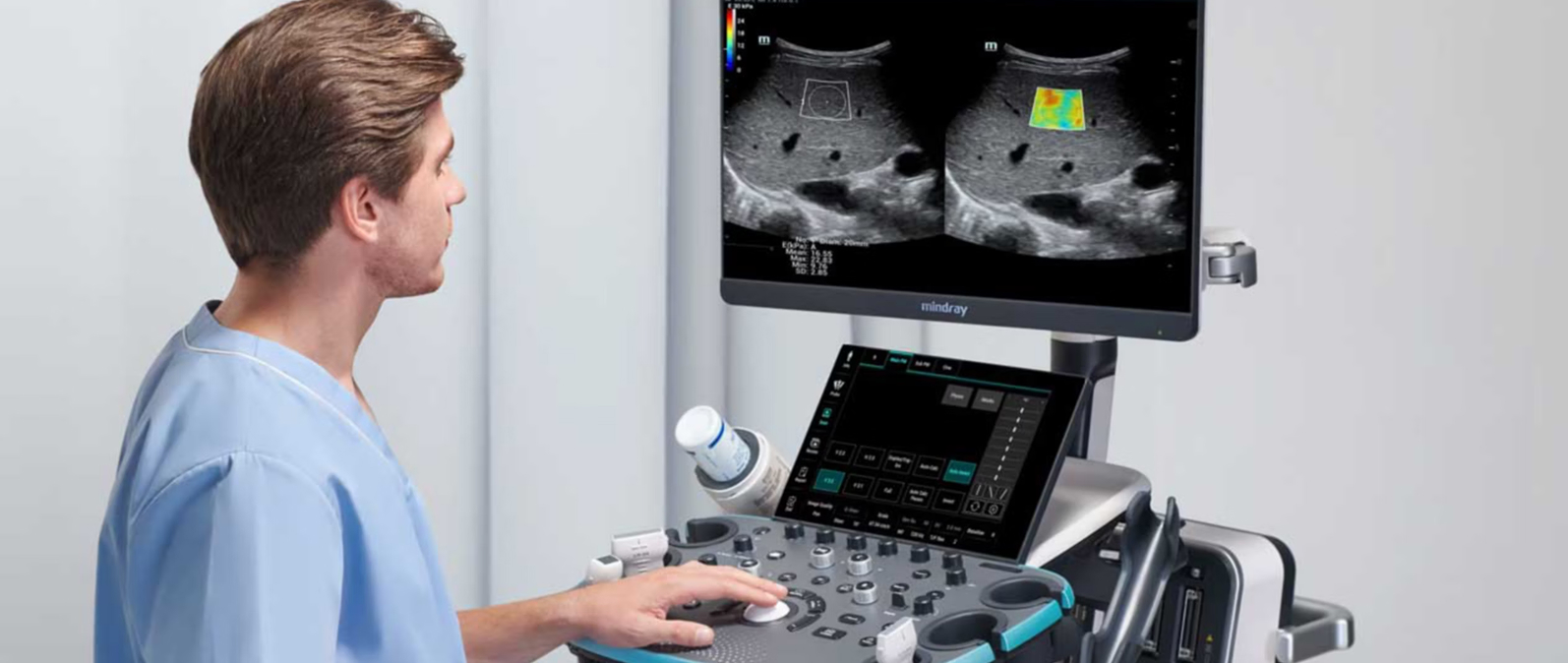
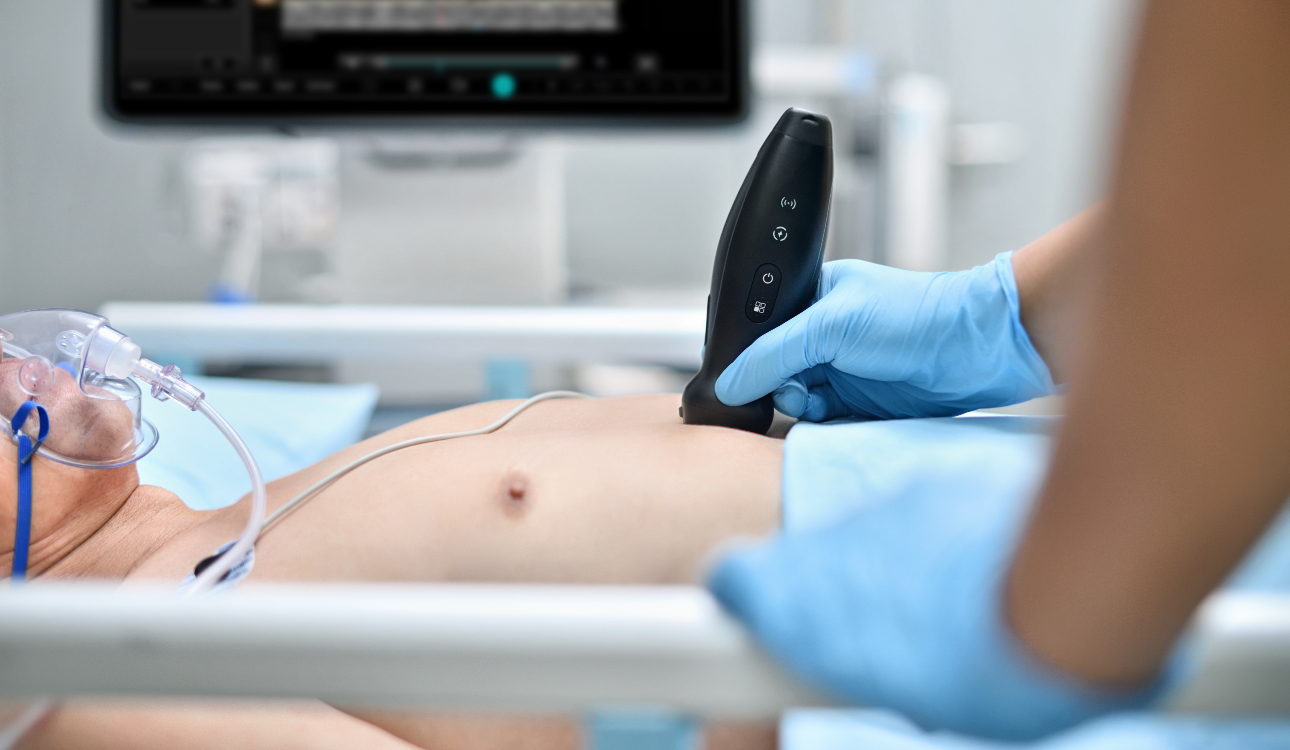











Portable or cart-based is one of the first questions clinics ask when they start shopping for ultrasound — and the answer is no longer as simple as it used to be.
Advances in portable technology mean many compact systems now deliver image quality that was once only available on full carts.
So how do you choose? It comes down to how the system will be used day to day.
When Portable Makes the Most Sense
Portable ultrasound systems are ideal when:
- Rooms are shared
- Space is limited
- The system needs to move frequently
- Point-of-care exams are common
They also:
- Start up quickly
- Reduce patient transport
- Improve workflow efficiency
For many clinics, one portable system can serve multiple roles.
When a Cart-Based System Is the Better Choice
Cart-based systems still lead in:
- High-volume imaging environments
- Multi-probe workflows
- Ergonomics for long scanning days
- Advanced imaging applications
If ultrasound is being used continuously throughout the day, a cart-based platform often improves comfort and speed.
Image Quality: The Gap Has Closed
This used to be the deciding factor.
Today, many high-performance portable systems deliver image quality suitable for:
- Abdomen
- MSK
- Vascular
- Cardiac (with the right configuration)
The decision is now more about workflow than raw performance.
The Hybrid Approach
Many clinics are choosing:
- A cart-based system for the main imaging room
- A portable system for point-of-care and overflow
This provides flexibility without compromising capability.
The Right Choice Is the One That Gets Used
The best system is the one that fits into your daily routine and makes scanning easier — not the one with the longest feature list.